Site Robotics

Automated Inspections and Site Intelligence

Industrial Inspection & Monitoring Solutions

Inspect assets. Verify conditions. Understand available capacity.

SITE Robotics combines autonomous field inspections with site information and operator oversight, helping teams assess conditions and plan the next action.
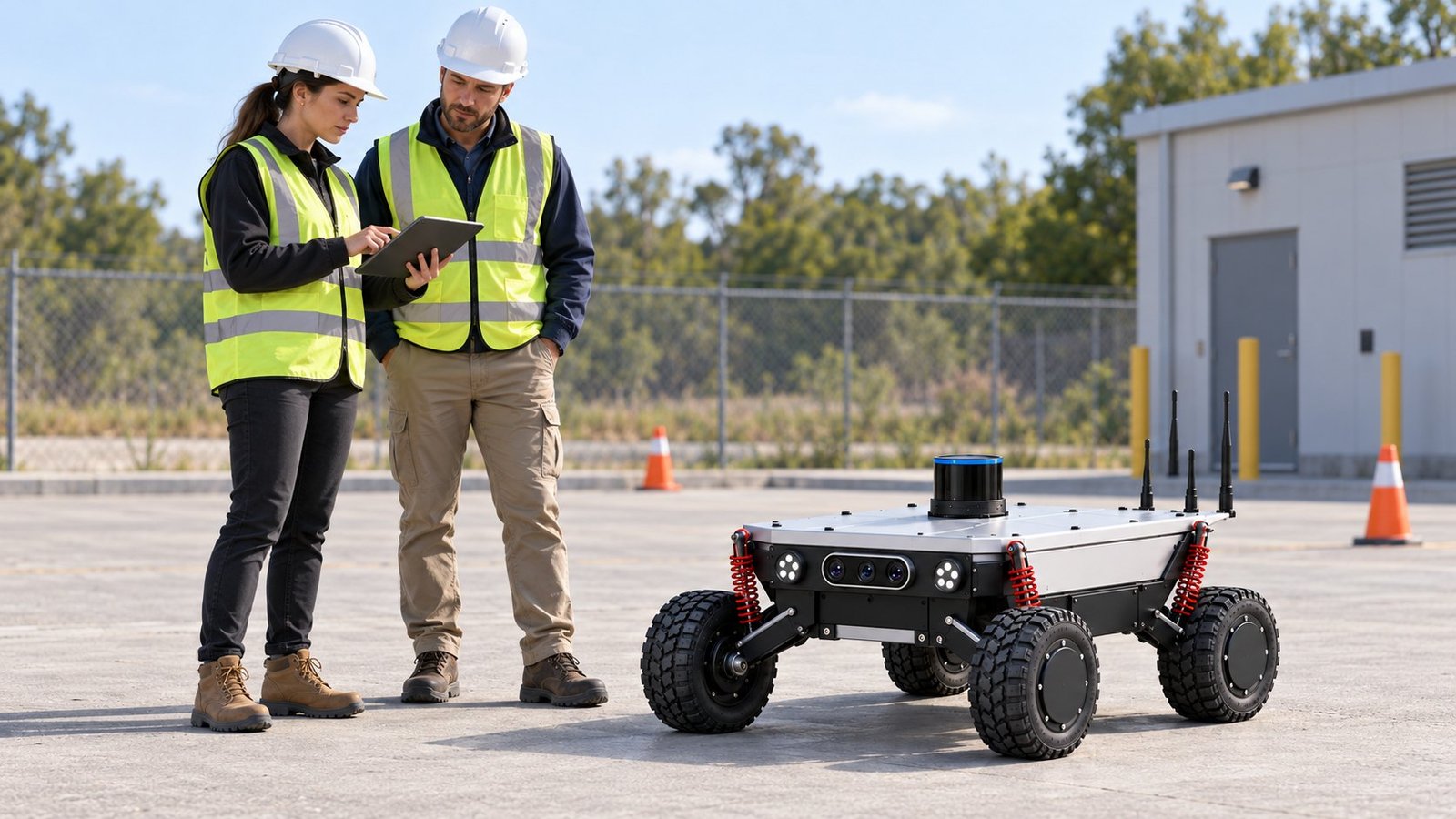
Two engineers in hard hats and high-visibility vests review a tablet beside the SITE Robotics vehicle at a fenced industrial compound.
Illustrative scene

Operational challenge

More ground to cover. Limited time to check it.

Dispersed assets, changing conditions and limited personnel make routine inspections difficult to sustain. Repeated travel and manual recording take time, while gaps between checks leave teams working with incomplete information.

  • Fewer Manual inspection rounds

    Agreed checks run along approved routes, reducing repeated travel and manual recording.

  • More Workforce time for follow-up

    Personnel spend less time checking and more time on issues that need attention.

  • Faster Alerts with evidence

    Exceptions are flagged with time, location and images, without waiting for the next manual round.

Capabilities

Inspection and monitoring around your operational needs
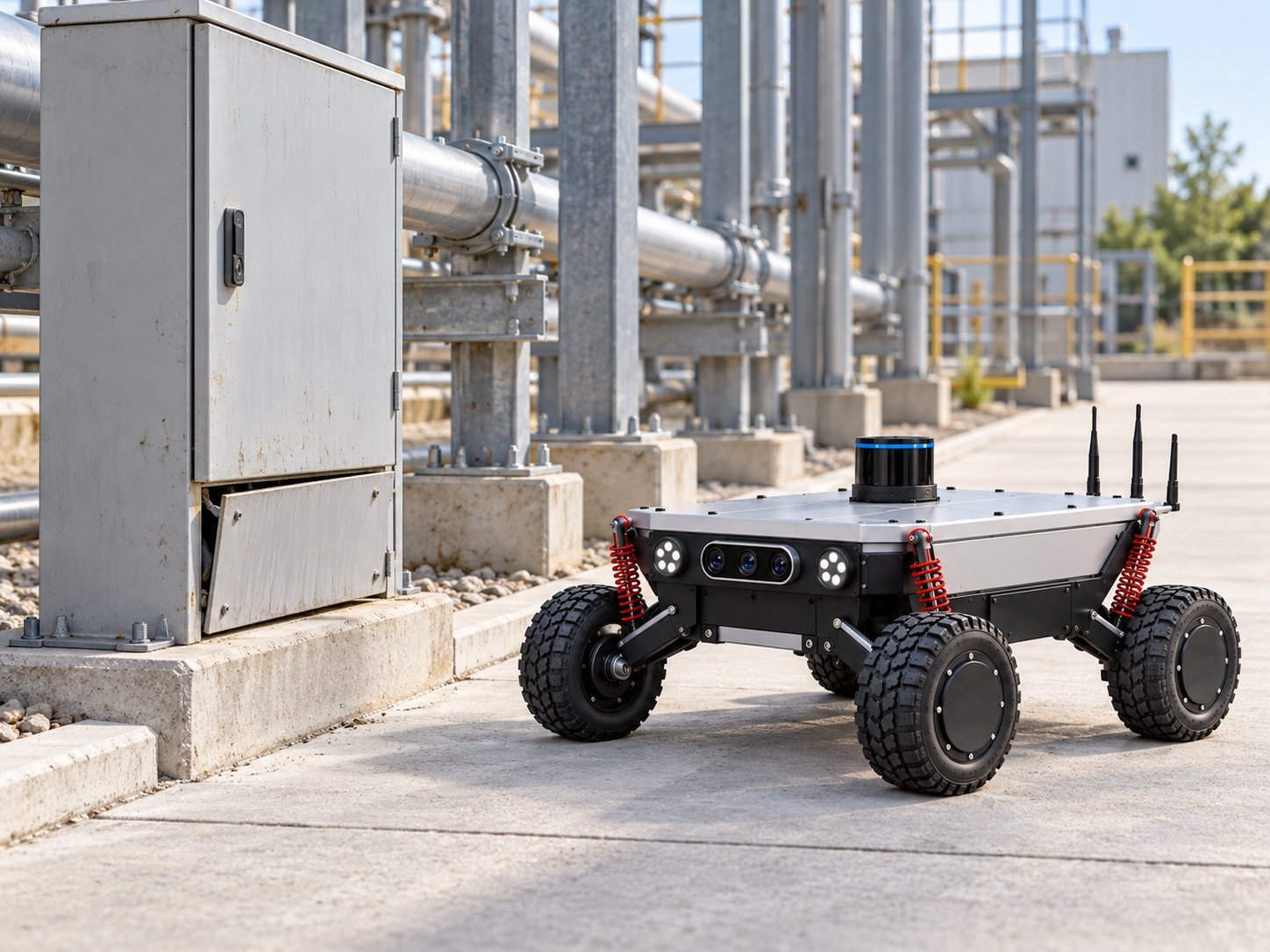
The SITE Robotics vehicle beside an electrical cabinet whose lower panel is partly open, with a steel pipe rack behind.
Illustrative scene

Asset Inspection & Condition Monitoring

Inspect designated equipment and infrastructure, document visible condition and flag changes for review. Support readiness assessments with evidence of asset presence, condition and access.

Operational benefits

  • Less manual inspection work.
  • Consistent condition records.
  • Better information for maintenance planning.

Illustrative visualisation: an operator at a review station looks at field imagery of a generator flagged for review, with a site monitoring screen beside it.
Illustrative visualisation. Not a product screenshot.

Remote Site Visibility & Visual Verification

Review field imagery with its location and inspection time. Give experts the context to verify concerns before arranging a site visit.

Operational benefits

  • Faster initial assessment.
  • Fewer unnecessary verification visits.
  • Better context for response decisions.
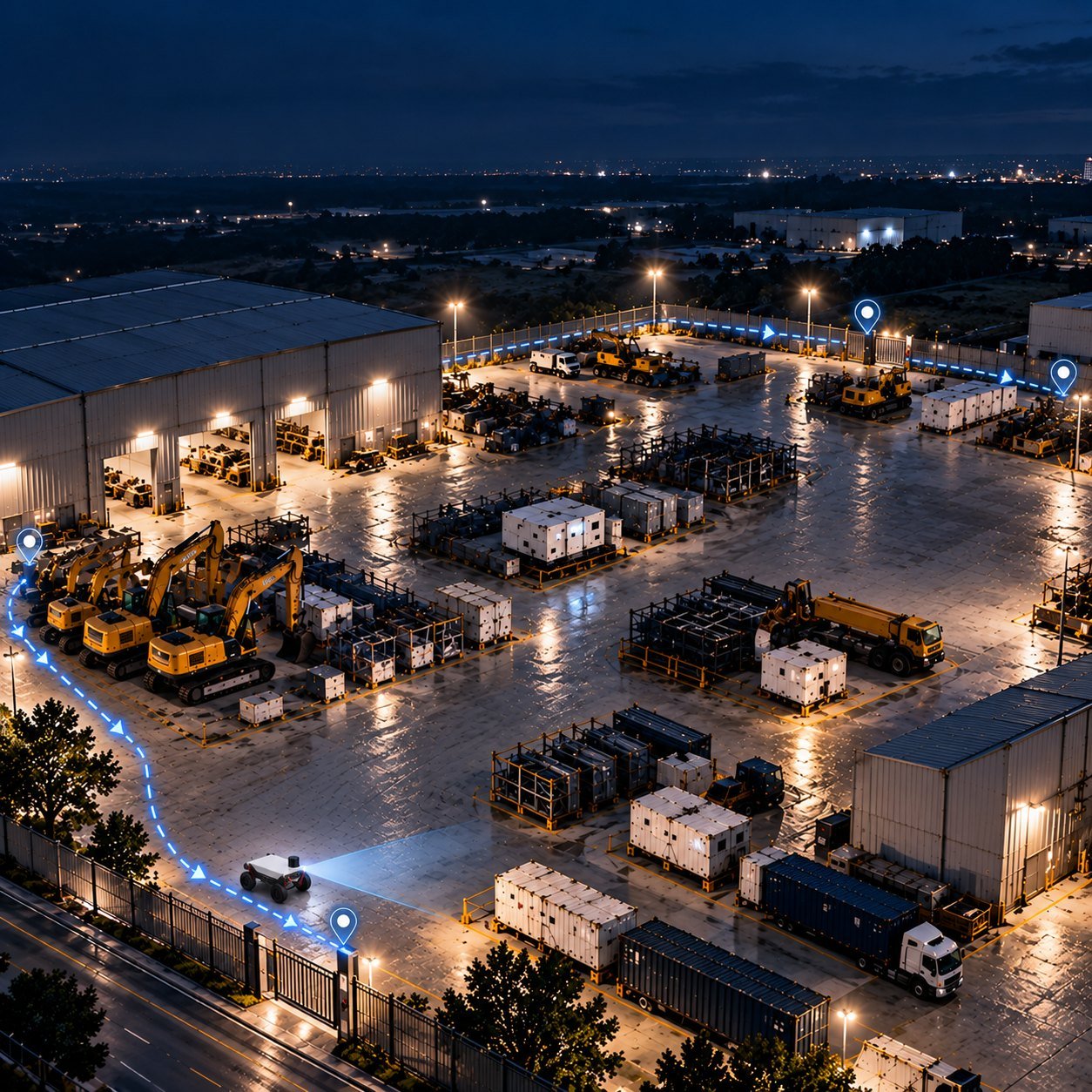
Illustrative scene: an equipment yard at night seen from above, with the SITE Robotics vehicle following a marked route towards observation points beside parked plant and storage units.
Illustrative scene

Operator Control & Remote Investigation

When a task needs human judgement, operators direct further investigation and obtain the observations needed to resolve uncertainty.

Operational benefits

  • Human control when needed.
  • More focused investigation.
  • Support beyond routine checks.
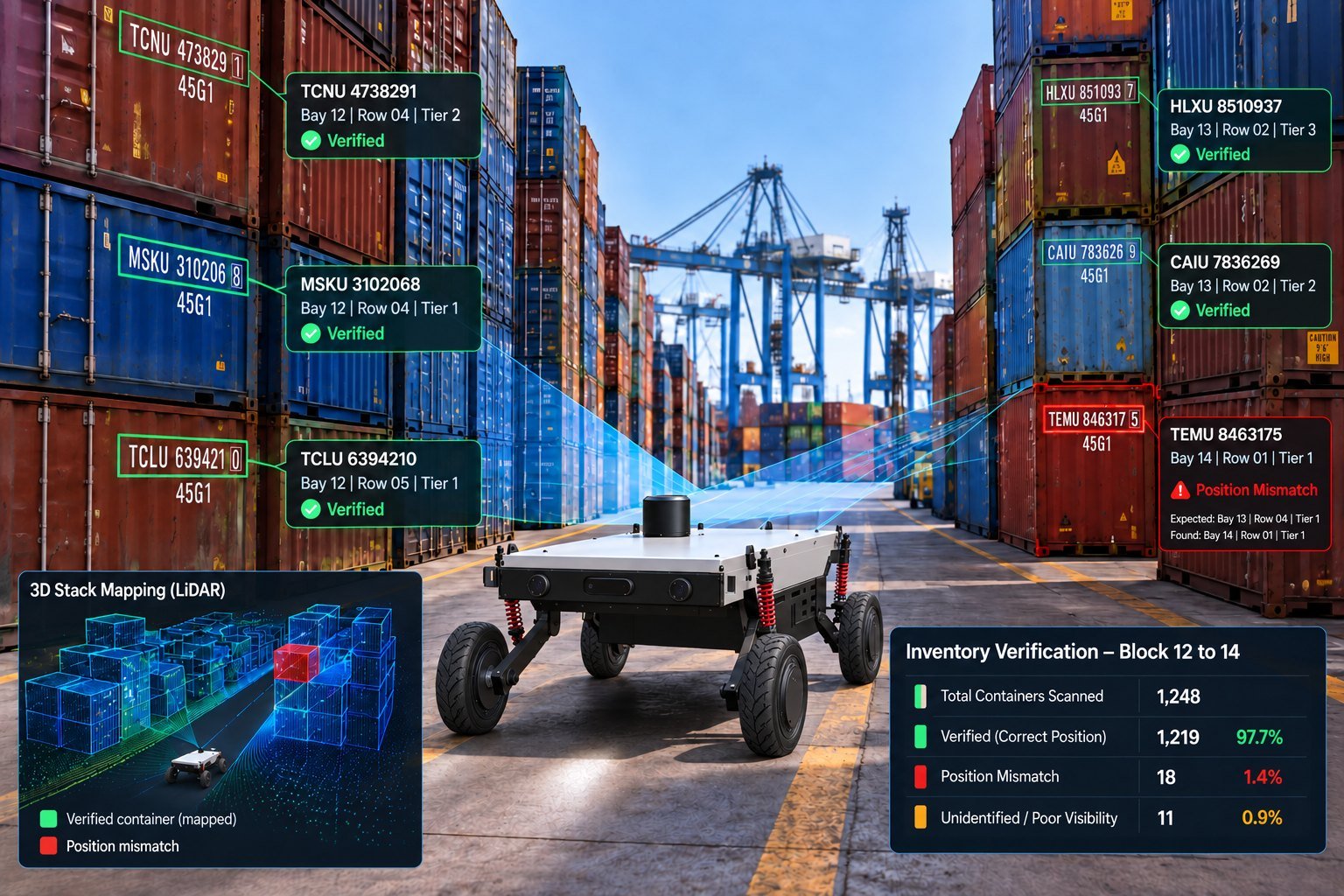
Illustrative visualisation: the SITE Robotics vehicle scanning container stacks, with on-screen panels marking container positions as verified or mismatched and sample summary counts.
Illustrative visualisation. Not a product screenshot.

Capacity & Physical Inventory Verification

Confirm occupied and available space, observed asset positions and physical quantities through assigned counting, mapping and measurement tasks.

Operational benefits

  • Quicker capacity confirmation.
  • Better allocation information.
  • Fewer repeat manual checks.

Tasks, sensing, connectivity and operating conditions are agreed for each deployment.

Autonomous missions

Missions built around the information your team needs

Mission schematic Illustrative schematic. An agreed route loops past five inspection points beside site assets. Point 1 is an inspection point with a defined asset to observe. Point 2 marks the agreed route. Point 3 is a defined observation point the mission returns to. One asset beside the route is outlined and flagged as an exception for operator review. 1 2 3
Illustrative schematic Agreed route Inspection point Exception flagged for operator review
  1. Inspection points with a purpose

    Define which assets to inspect, where to observe them and what information to collect.

  2. Autonomous mission execution

    Run agreed routes and inspection tasks under the configured supervision model.

  3. Repeatable data collection

    Return to defined observation points to support consistent records and comparisons.

Site context

Understand the finding in the context of your site

Locate observations, review supporting evidence and compare inspection records. Give operations and maintenance teams a shared basis for deciding what to verify, prioritise or inspect again.

  • Targeted follow-up.
  • Better maintenance preparation.
  • Clearer inspection handovers.

Your team retains verification and response decisions.
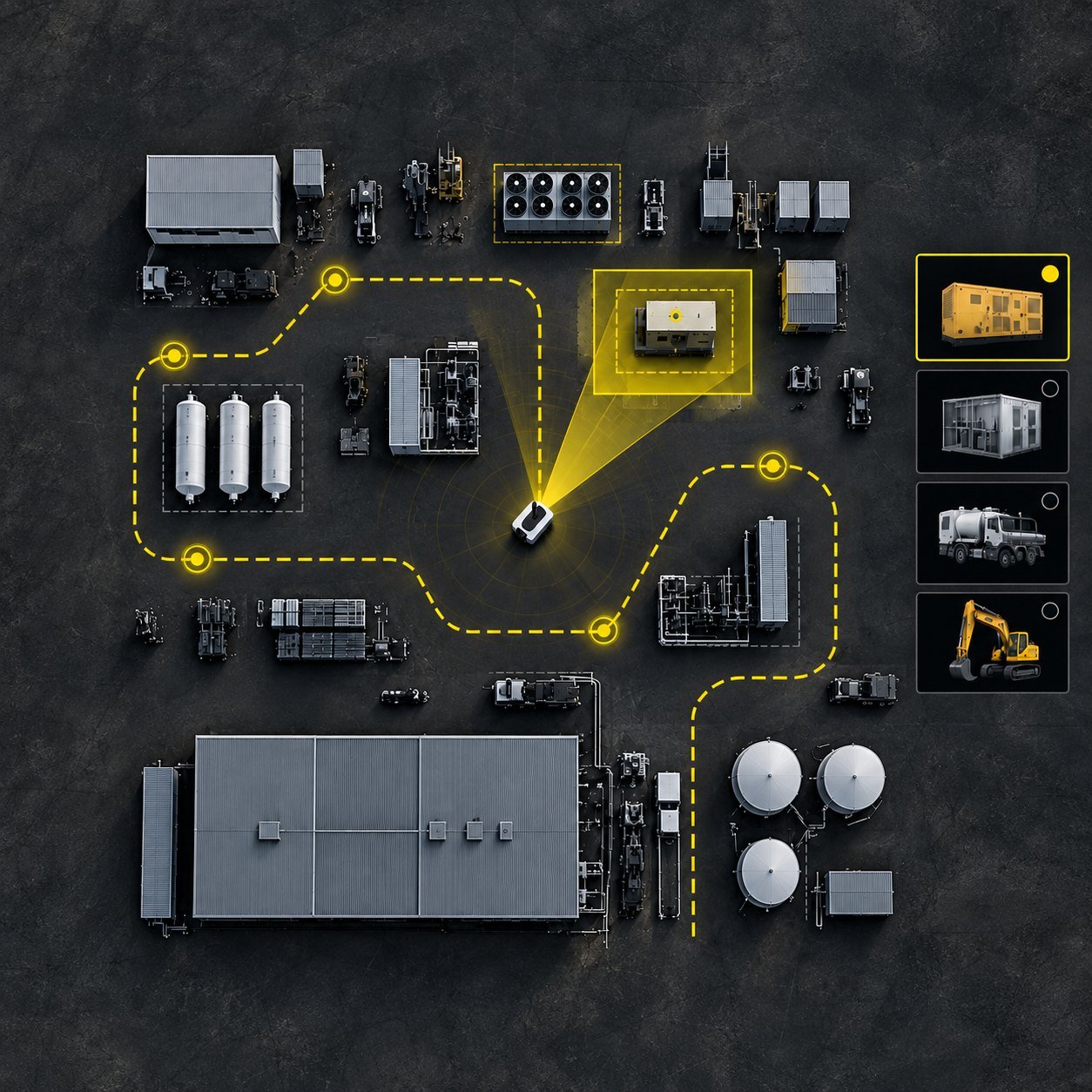
Illustrative visualisation: an aerial site plan with a dashed inspection route, highlighted inspection points and one generator outlined in yellow, with a panel of asset thumbnails beside it.
Illustrative visualisation. Not a product screenshot.

Your first task

Which operational question keeps sending your team into the field?

Start with a priority asset, inspection route or capacity check. Agree the required information and measure the value through a focused pilot.

Discuss a Pilot